Stephen — Knee Pain While Running
Stephen came in at 48 with right knee pain that reliably showed up about 3 miles into his runs. Instead of treating the knee like the obvious villain, the assessment looked upstream through Anatomy in Motion and SFMA.
The bigger pattern pointed to an old ankle injury, right foot pronation, a forward-tilted right pelvis, and compensations that could reproduce lower back symptoms, but not knee pain directly. That usually means the knee is taking the hit for a problem being created somewhere else.
Once ankle movement and gait mechanics were cleaned up, his running pain improved quickly, then disappeared. He continued a few more sessions afterward to address lingering neck symptoms, but the knee issue that brought him in stopped being the limiting factor.
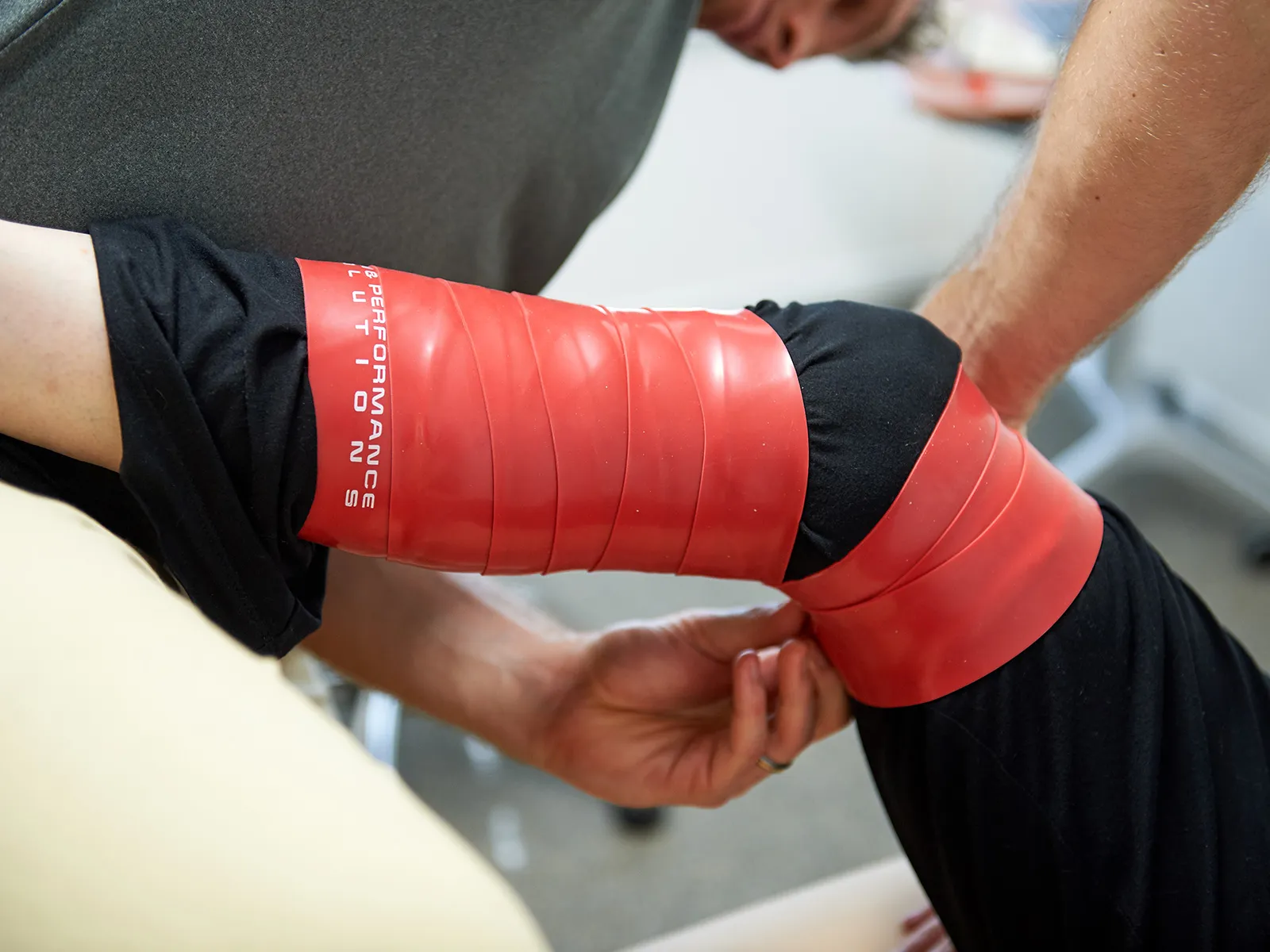
Treatment Timeline
Visit 1: Assessment and First Treatment
Main complaint: right knee pain that showed up about 3 miles into runs. Assessment through Anatomy in Motion and SFMA pointed to an old ankle injury, right-side pronation, pelvic tilt, and compensations that lit up the lower back, not the knee itself.
Visit 2: Gait Challenge and Homework
Worked through restricted ankle movement and challenged gait mechanics. Some motions were nearly “missing” at first, but once they came online Stephen immediately noticed his steps felt lighter.
Visit 3: Partial Improvement
Stephen ran again. The knee still hurt, but not as badly, and much later in the run.
Visit 4: Follow-Up Treatment
Further sessions uncovered restrictions in thorax and hip rotation. Those were treated and new homework was assigned.
Visit 5: Pain-Free Running
By the next session, Stephen reported no pain while running. He continued a few more visits to address lingering neck symptoms.