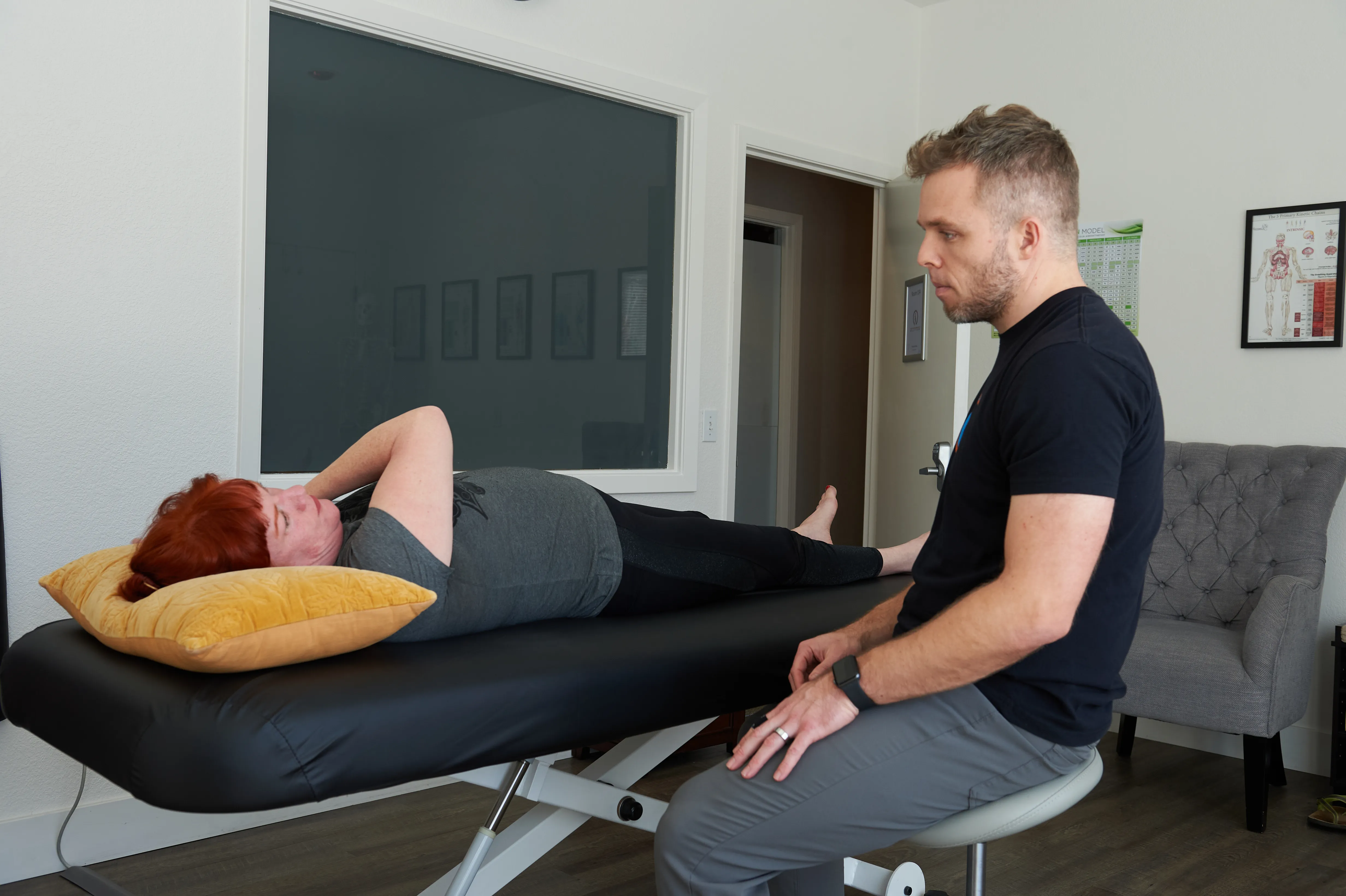
From Engineering to Treating Soft Tissue Injury
Julian Corwin graduated in 2007 from Cal Poly, San Luis Obispo with a degree in Electrical Engineering. After a few years of working as an engineer in Santa Rosa, he developed an interest in fitness and the human body. The transition from a mostly sedentary desk job to developing athleticism produced multiple soft tissue injuries, and eventually chronic pain in his shoulder and hip.
After looking for answers in the standard medical system — sports medicine, physical therapy, and chiropractic — Julian was dissatisfied with the results. None of those experts provided root cause analysis, a standard process in engineering, or an effective plan for recovery. After more research, he found Active Release Technique, and a manual therapist trained in ART completely resolved both areas of chronic pain.
That result changed the direction of his life. After six years as an engineer, Julian quit his job and began training in Active Release Technique. To participate in ART training, he needed a license to touch, so he completed massage therapy training. During that period he also certified in Strength and Conditioning through the NSCA, NeuroKinetic Therapy, Selective Functional Movement Assessment, Anatomy in Motion, and Proprioceptive Deep Tendon Reflex.
Multiple Tools, One Purpose
Each of these systems provides a different perspective on pain and a different method for treatment. Active Release Technique is the gold standard in muscle treatment, while NeuroKinetic Therapy is useful when a muscle is neurologically underactive or imbalanced. Anatomy in Motion is especially useful for movement-based rehab and foot pain, while other cases respond best to soft tissue release, sensory work, or motor-control retraining.
Since no two humans are the same, every treatment session needs to be tailored to the needs, history, and abilities of the person in front of you. The technique matters, but the thinking behind the technique matters more.
Pain and Performance Clinic
After a few years of training and seeing clients, Julian became a founding member of the Airport Health Club's Pain and Performance Clinic. In this setting he treated a large population of health and fitness oriented clients, gave talks on various chronic pain conditions, and taught classes on movement and self-exploration of the causes of pain.
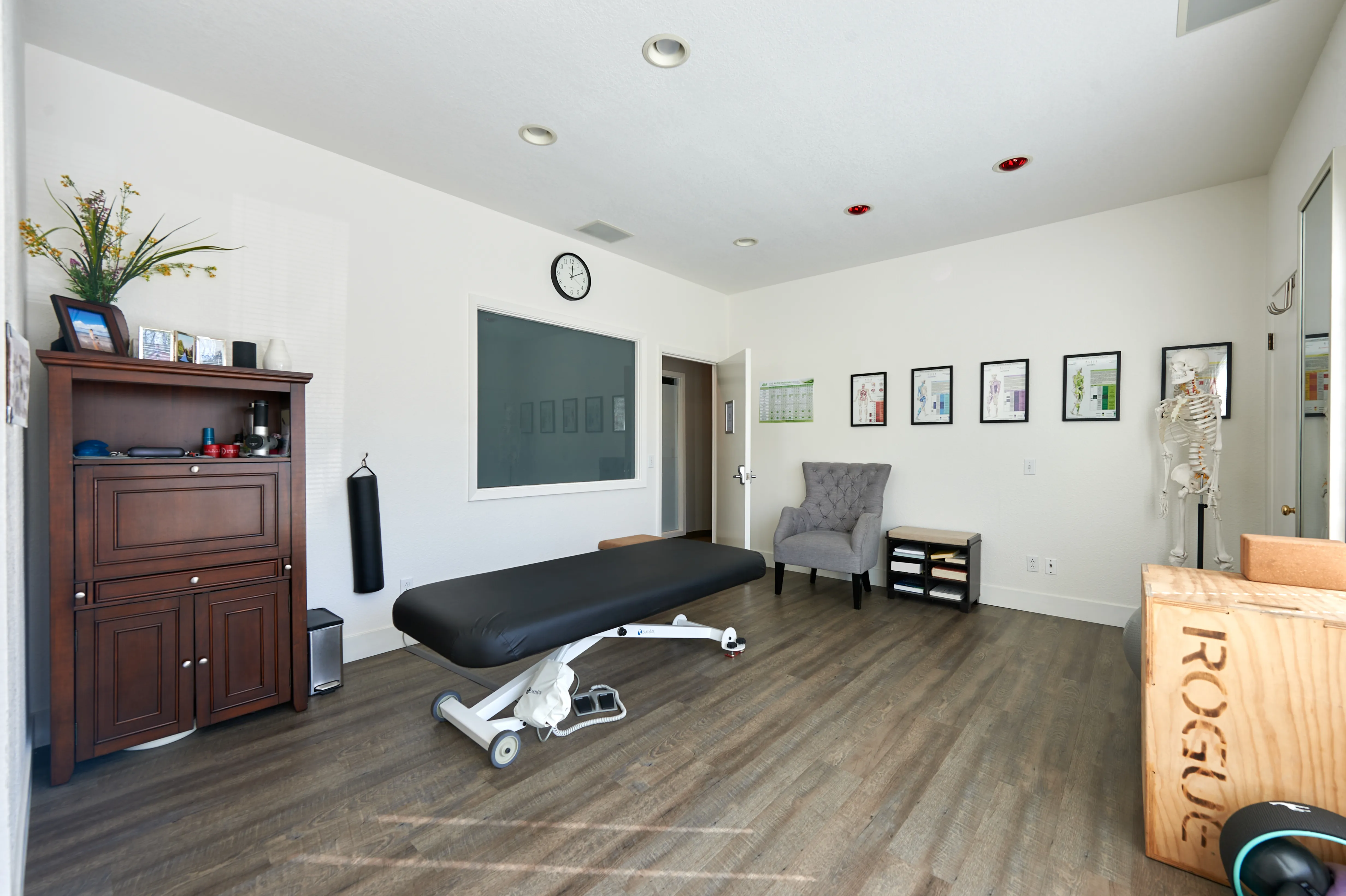
An Engineer's Approach to Pain
Julian's passion for education and root cause analysis is true of most engineers — engineering is a lifelong educational and learning process. These concepts should also be true of physical therapy. However, due to limitations in our medical system and the lack of an effective incentive structure for physical therapists, patients are often left slogging through 8 weeks of PT where the therapist is instructed to work on a specific area (which often is the area of pain, not the root cause), with cookie cutter at-home exercise sheets.
Rapid Recovery
When the therapist and client both understand root cause, how it happened, why it causes pain, and how to treat it — recovery is surprisingly rapid. On average most clients have complete resolution of their issue in 4–5 treatments, as well as the tools and knowledge to address other potential problems should they arise.
That being said, every person is different. The 20-year-old athlete with a high level of body awareness and control might need a single treatment — whereas the 80-year-old mostly sedentary individual will need 7–8, or even ongoing treatment and management. Sometimes pain is the result of multiple different causes — and each cause needs to be addressed for complete resolution.
Primitive Circuits
Over the past several years, Julian has synthesized this clinical work into a framework called Primitive Circuits — a structured method for understanding and treating the cases that don't respond to standard care. Built on evolutionary biology, neuroscience, and the engineering instinct to find the primary variable driving a system's behavior, it is now taught to practitioners through in-person workshops across California.
The through-line across all of this work is pretty simple: understand the system well enough to find the primary driver, then treat that instead of getting distracted by the loudest symptom. That is as true in engineering as it is in pain.
Ready to find the cause of your pain?
Book a free phone consultation to discuss your situation and find out if we're a good fit.
Book a Phone Consultation